

If you’ve lived in Georgia for long, you know how quickly conditions on the road can change. One minute you’re driving home in the evening sun, and the next you’re squinting through a sudden rain shower or wondering if that haze ahead is fog. These are the moments when your headlights matter most for road safety.
At The Issa & Castro Law Firm, we have represented injured victims in accident cases where something as simple as “Were the headlights on?” became a major issue. Following the legal requirements for headlight use in Georgia not only helps keep you safe, but also supports your injury claim in the event of an accident.
When Must Your Headlights Be on in Georgia
Georgia traffic laws for headlights are spelled out in Georgia Code § 40-8-20. It says you must turn your headlights on in three situations:
- From half an hour after sunset to half an hour before sunrise
- Any time you cannot see at least 500 feet ahead
- Whenever your windshield wipers are on because of rain, sleet, or snow
That’s the law in a nutshell. But, like many things in life, it’s the details that trip people up.
Why the “Half-Hour After Sunset” Rule Matters
While headlight laws by state can vary, most people think of headlights as a nighttime-only thing. Georgia adds that extra 30 minutes after sunset and before sunrise because twilight plays tricks on the eyes.
You might feel like you can see fine. But to the driver coming toward you or the person crossing the street, your dark-colored car can almost disappear against the fading light. That extra half-hour rule is there to give everyone a better chance of spotting you before it’s too late.
The 500-Foot Visibility Rule
Here’s another one that surprises folks: If you cannot see at least 500 feet in front of you, your headlights need to be on.
How far is 500 feet? Picture about one and a half football fields. If fog, smoke, or even a wall of heavy rain makes it hard to see that far, you need to flip those lights on.
And remember that this isn’t just about your visibility. It’s about letting others see you in time to slow down or steer clear.
Wipers On, Lights On
This one couldn’t be simpler, but it’s the rule that gets broken the most: If your windshield wipers are on because of heavy or light rain, sleet, snow, or other bad weather conditions, your headlights have to be on too.
It doesn’t matter if it’s a light drizzle that lasts five minutes. The law doesn’t care how heavy the rain is. Wipers on means headlights on. This rule exists because rain makes cars harder to spot, particularly on shiny wet pavement. Your headlights cut through that blur and let everyone know you’re there.
Common Mistakes We See on the Road
Even with laws this straightforward, we see Atlanta drivers (not just new drivers) make the same missteps over and over again:
- Trusting daytime running lights. Many newer cars come with automatic daytime running lights, but these typically don’t activate your taillights. That means people behind you might not see you at all in bad weather.
- Forgetting during quick rain showers. Many people think, “It’s just sprinkling, no big deal.” But under Georgia law, the second your wipers come on, your headlights should, too.
- Assuming auto-headlight sensors always work. They don’t. Fog and heavy clouds can fool the automatic headlights system. Manually flipping the switch is always safer.
- Misusing high beams. Georgia also says you cannot use high beams within 500 feet of an oncoming car or 300 feet of a car you’re following. Blinding someone else is as dangerous as not having lights at all.
What Happens If You Don’t Follow the Law?
On the surface, driving without headlights when they’re legally required is a traffic violation. You can get pulled over and fined.
But the bigger problem comes if you’re injured in a motor vehicle accident. If the other side can show that you broke the headlight law, it can be used as evidence of negligence. In other words, they might argue that you caused or contributed to the crash by making yourself harder to see.
Insurance companies love to latch onto details like this. We have seen insurers try to reduce or flat-out deny claims by saying, “Well, their headlights weren’t on, so they were partly at fault.” That’s when having an experienced lawyer makes all the difference.
Why Playing It Safe Is Always Better
Here’s the bottom line: There’s no penalty for using your headlights too much. Daytime headlight use is permitted. But there are real risks to not using them enough.
That’s why we always tell drivers that being proactive makes sense:
- Use your headlights at dawn and dusk, even before the law requires it.
- In heavy traffic, lights make you easier to pick out in a crowd of cars.
- On shaded rural roads, using headlights all the time can keep you from blending into the background.
- Any time you’re unsure, just turn them on.
On winding mountain roads, relying only on a parking light instead of headlights makes it harder for other vehicles to see you. In poor visibility, using your low beam headlights does a better job of helping avoid collisions.
How Our Atlanta Car Accident Attorneys Will Prove Liability if the Other Driver Ignored the Headlight Law
If you have been in a car wreck, you know how fast the details start piling up. Police reports, medical bills, and insurance calls are among the first issues that can quickly become overwhelming. What you may not realize is that something as simple as whether the other driver had their headlights on can play a big role in proving fault.
At Issa & Castro, we dig into those details because they can make the difference between an uphill legal battle and a strong case for maximum compensation.
Headlight Violations Matter: Negligence Per Se
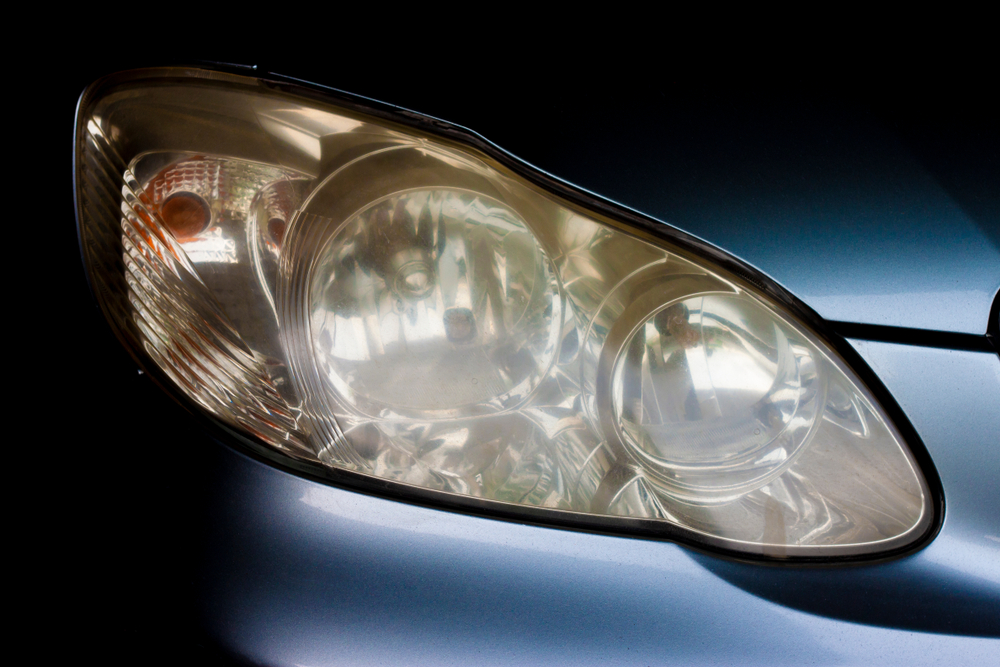
Georgia law is clear: Headlights aren’t optional when the sun is down, the weather is bad, or visibility is poor. They must be on half an hour after sunset, half an hour before sunrise, whenever rain or fog limits visibility, and when wipers are in use.
So if another driver skipped this step, that isn’t just a careless mistake, but also a violation of state law. When a driver breaks a safety law and causes an accident, that’s called negligence per se. In plain terms, it means the law is already on your side. Our job is to connect that violation directly to your injuries so liability is crystal clear.
How We Go About Proving Negligence
We don’t just take the other driver’s or the insurance company’s word for it. We go deeper. Our team pulls together every bit of evidence we can get our hands on, like:
- Police reports that note whether headlights were in use
- Traffic or dash cam footage that shows whether the headlights were on
- Witnesses who saw the car coming (or maybe couldn’t see it at all)
- Photos from the scene that capture the weather and lighting conditions
- Vehicle data, which can sometimes confirm whether the lights were being used
- Weather reports that show headlights were legally required at that time
Every one of these pieces helps us build a stronger picture of what really happened. We put them together in a way that makes it clear the crash wasn’t your fault.
Connecting the Dots to Your Injuries
Of course, proving the lights were off isn’t enough by itself. We also have to show how that violation led to your accident. That’s where we tell the story in a way insurance adjusters and juries cannot ignore.
Maybe the driver’s dark-colored car blended into the dusk, and you never saw it until the impact. Perhaps the rain was pouring down, making the driver practically invisible without headlights. We take those conditions and explain how their choice to ignore the law puts you directly in harm’s way. That connection is what locks down liability.
Negotiating a Settlement with the Insurer
Once fault is pinned on the negligent driver, the next hurdle is money. Insurance companies rarely step up with a fair offer right away. They will try to minimize your medical bills, argue about how much time you missed from work, or downplay the pain you live with every day.
We push back. We calculate the full value of your case, including current bills, future medical needs, lost income, and the emotional toll this accident has taken. We walk into negotiations armed with evidence and the confidence that comes from years of doing this work.
Insurance companies know we’re ready to go to trial if needed, and that pressure generally forces them to come back with a fairer number.
Why This Approach Works in Injury Claims
Our car accident lawyers have been handling cases like this for nearly 20 years, and we know how to make small details work in your favor. A headlight violation may not sound like a big deal to most people, but in a courtroom or across a negotiation table, it can be a turning point. By tying that violation directly to your accident and injury, we eliminate the wiggle room that insurers often exploit.
We Stand By Your Side Throughout
You shouldn’t have to carry the stress of proving liability or arguing with an insurance adjuster. That’s what we’re here for. We handle the heavy lifting so you can focus on healing and getting back on your feet.
If the other driver ignored Georgia’s headlight law and you ended up injured because of it, don’t let that detail slip by. It can be the key to proving negligence and unlocking the settlement you need. Our Atlanta car accident attorneys know how to use that evidence, back it up with solid proof, and fight for every dollar you’re owed.
FAQs
Do I need to use my headlights in parking lots or on private property?
Legally, Georgia’s headlight rules apply to public roads. But if you’re driving through a dimly lit parking lot or construction zones in reduced visibility, it’s still smart to flip them on. It helps you spot pedestrians, carts, and other cars backing out.
Can I get pulled over just for forgetting my headlights?
Yes, you can. Even if you’re driving perfectly otherwise, a police officer has every right to stop you if your headlights should be on but aren’t.
Are fog lights required in Georgia?
No. Fog lights are optional. If your car has them, they can be helpful in thick fog, but they don’t replace your regular headlights. You still need to have those on.
What if one of my headlights is out? Can I still drive?
Driving with only one headlight working is considered a violation in Georgia. You’ll not only risk getting pulled over, but you’ll also make it harder for other drivers to judge your car’s distance and width.
Do motorcycles follow the same headlight rules?
Yes, and in fact, many motorcycles have headlights that come on automatically any time the engine is running. It’s an extra safety measure since bikes are already harder to see on the road.
Our Atlanta Car Accident Attorneys Are Ready to Fight for You
At The Issa & Castro Law Firm, we understand that for our clients, accident claims are about their lives, their financial security, and their ability to move forward after a crash. We never take the other side’s story at face value. We find the evidence, talk to witnesses, and, when needed, bring in outside experts to show the full picture.If you or someone you love has suffered injuries in a car accident due to another’s negligence, know that we’re here to stand up for you, aggressively pursue the insurance battles, and make sure your side of the story is told forcefully. To schedule your free consultation, call us at (470) 200-6927 or contact us online.